
As we cross into the second quarter of 2026, the marketing world has realized a profound truth: the more time consumers spend in the “Metaverse” or digital workspaces, the more they value the tangible. This “Tactile Hunger” has turned the merchandising industry into a sophisticated arm of the customer success department. To succeed in this era, brands must synchronize their digital messaging with their physical output, ensuring that every item—from tshirts-polos to travel-tech—acts as a high-fidelity representative of the company’s mission.
The Psychology of Physicality
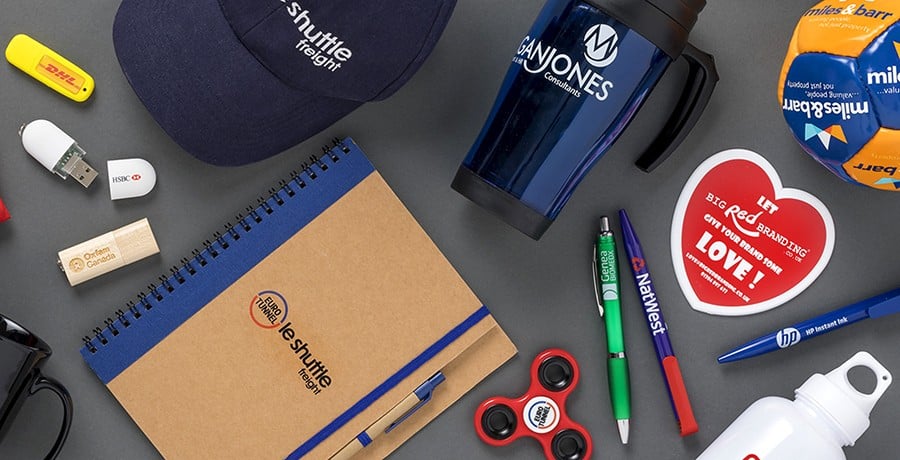
In 2026, physical objects carry a “weight of authenticity” that digital pixels cannot match. When a brand sends a piece of corporate-gifting, it is performing a ritual of recognition. This ritual is most effective when the object is something the recipient interacts with daily. Consider the humble coffee mug; in 2026, it has been replaced by high-performance drinkware that features ceramic coatings and vacuum insulation. This item sits on a desk for eight hours a day, providing a constant, subtle reminder of the brand’s presence in the user’s life.
Dressing the Modern Workforce: Beyond the Office
The concept of “workwear” has undergone a radical redesign. In the mid-2020s, we saw the rise of “athleisure,” but 2026 has perfected “Pro-Leisure.” Employees now demand uniforms-workwear that can handle a commute, a client meeting, and a post-work social event without skipping a beat.
For the modern professional, the hoodies-jackets they receive from their employer are no longer “swag”—they are essential layers. By investing in high-end best-sellers, companies ensure that their logo is seen in the wild, associated with high-quality lifestyle choices. This extends to the lower half of the silhouette as well; custom-branded pants-shorts have become a staple for tech companies and creative agencies that want to offer a full, cohesive look to their teams.
The Educational and Cultural Impact of “Spirit”
The power of physical branding is perhaps most visible in the school-spirit sector. In 2026, educational institutions have adopted the “Drop Culture” of high-fashion brands. Limited edition caps-hats and jerseys-sportswear are used to build community and pride.
This strategy is being mirrored by large corporations. By treating a product launch like a “campus event” and providing employees with new-arrivals that feel exclusive, brands are fostering a sense of “Alumni Pride” among their workforce. It turns an employee into a brand advocate who proudly displays their affiliation through their bags-backpacks or tech accessories.
The Sustainability Mandate: 2026 and Beyond
We cannot discuss 2026 without addressing the environmental imperative. Consumers are now “Radically Transparent.” They use their smartphones to scan stickers-labels to track the origin of the materials. If a brand claims to be eco-friendly, every part of the package must reflect that.
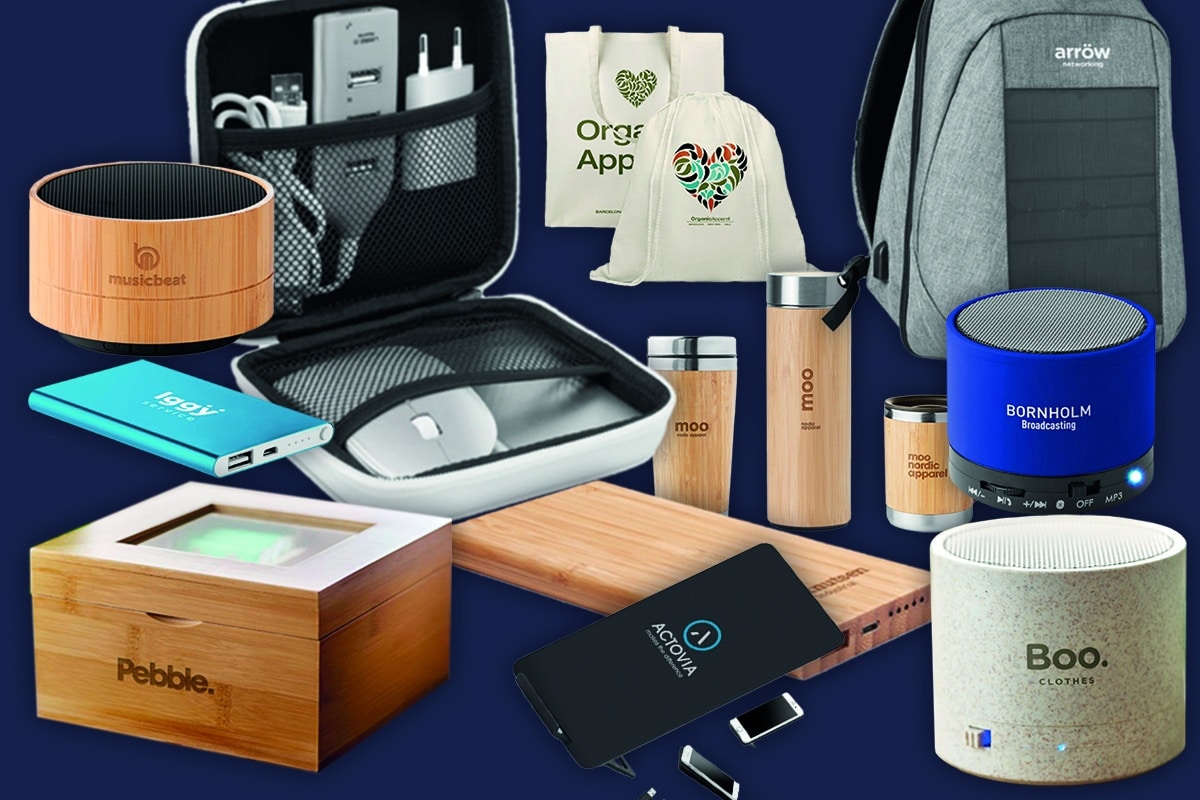
This is why boxes-and-packaging have become a design frontier. Companies are using mushroom-based packaging, seed-paper inserts, and reusable gift-wrap to prove their commitment to the planet. Even in the budget-gifts category, the expectation is that the item should be either biodegradable or made from 100% recycled content.
High-Value Touchpoints: Luxury and Tech
For VIPs and long-term partners, the strategy in 2026 is “Quiet Luxury.” The most effective premium-gifts are those that prioritize the user’s experience over the brand’s visibility. A luxury-gifts set might include a high-end travel-tech kit—noise-canceling earbuds, a leather-bound power bank, and a global tracking tag—all subtly branded.
The goal is to provide a “Frictionless Life.” If your brand can provide the tool that makes a business trip easier or a home office more comfortable through home-wellness products, you have won the most valuable real estate in the world: the recipient’s gratitude.
The Power of Play and Family
Finally, the 2026 brand ecosystem understands that the “Individual” is a person with a family and interests outside of work. The expansion into kids apparel and pet-merch is a strategic move to integrate the brand into the “Joy Moments” of life.
Imagine a client receiving a gourmet food-candy basket that includes a branded toy for their dog and a high-quality school-spirit style hoodie for their child. This level of thoughtfulness creates a “halo effect” around the brand, making it nearly impossible for competitors to break that emotional bond.
Conclusion: The Future is Tangible
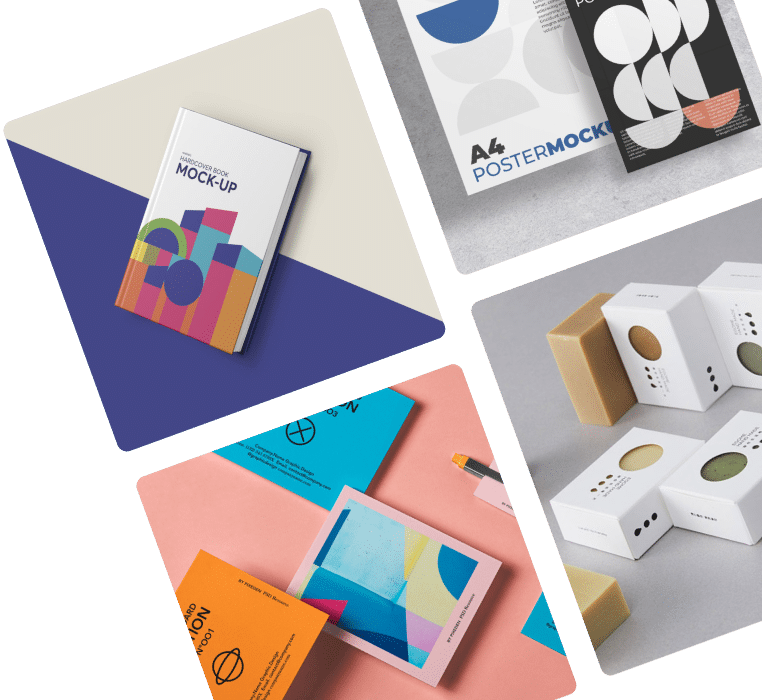
As we look toward the remainder of 2026, the brands that thrive will be the ones that master the “Physical Marketing Mix.” They will use paper-print-advertising for high-impact tactile storytelling and tradeshow-exhibitions to create immersive brand worlds.
In a world of infinite digital replicas, the physical object is the only thing that is truly “real.” Make sure your business-cards are worth keeping, your office-stationery is worth using, and your brand is worth wearing.

 Best Sellers
 New Arrivals
 Tshirts & Polos
 Hoodies & Jackets
 Jerseys & Sportswear
 Uniforms & Workwear
 Bottles & Mugs
 Caps & Hats
 Bags
Bags Office
 Boxes & Packaging
 Travel & Tech
 Corporate Gifting
 Home & Wellness
 Printing Materials
 Eco-friendly
 Promotional Giveaways
 Pants & Shorts
 Pet Merch
 Kids
Kids School Spirit
 Stickers & Labels
 Business Cards
 Tradeshows & Exhibitions
 Food & Candy