
By 2026, the selection of corporate apparel has evolved from a simple aesthetic choice to a sophisticated exercise in material science and psychological anchoring. With the global custom apparel market projected to exceed $65 billion this year, the focus has shifted toward “Intelligent Commerce”—a space where fabrics are engineered to solve human problems while reinforcing brand values.
The Rise of Bio-Fabrication and Circularity
The most significant “new arrival” in the 2026 textile market isn’t a new color or cut, but a new way of creating fibers. We have moved beyond basic recycling into the era of Bio-Fabrication. In 2026, forward-thinking brands are opting for eco-friendly materials derived from mycelium (mushroom-based leather), algae, and even citrus byproducts.
These materials offer a 90% lower carbon footprint than traditional leather or petroleum-based synthetics. When a company chooses a mycelium-based trim for their hoodies-jackets or a seaweed-blend for their tshirts-polos, they are providing a physical “Impact Report” that employees can wear. This “Radical Transparency” is now supported by Digital Product Passports—small, scannable stickers-labels or NFC tags embedded in the hem that tell the garment’s entire lifecycle story.
Performance Textiles: The Active Smart System
In the realm of jerseys-sportswear, we have seen the transition from “passive” to “active” smart textiles. 2026 has introduced Thermoregulatory Coatings that actively cool the fabric when they detect rising body temperatures. Unlike traditional mesh ventilation, these technologies work at the molecular level, making them ideal for both high-intensity athletics and high-pressure boardroom environments.
For the modern professional, this means that uniforms-workwear are now “Performance Gear.” Self-cleaning TiO2 (Titanium Dioxide) coatings allow garments to neutralize odors and break down stains when exposed to light, reducing the need for laundry by up to 30%. This not only extends the life of the garment but serves as a major wellness perk for employees, who spend less time on maintenance and more time on productivity.
The Psychology of “Enclothed Cognition”
Psychologists in 2026 frequently discuss “Enclothed Cognition”—the systematic influence that clothes have on the wearer’s psychological processes. When an employee puts on a high-quality, branded piece of apparel, they aren’t just wearing a logo; they are adopting a persona.
- The Authority Effect: Structured caps-hats and crisp, high-density cotton tshirts-polos signal competence and readiness.
- The Unity Effect: Wearing coordinated best-sellers triggers a “Social Proof” response, where employees feel a heightened sense of belonging and a 15% increase in collaborative motivation.
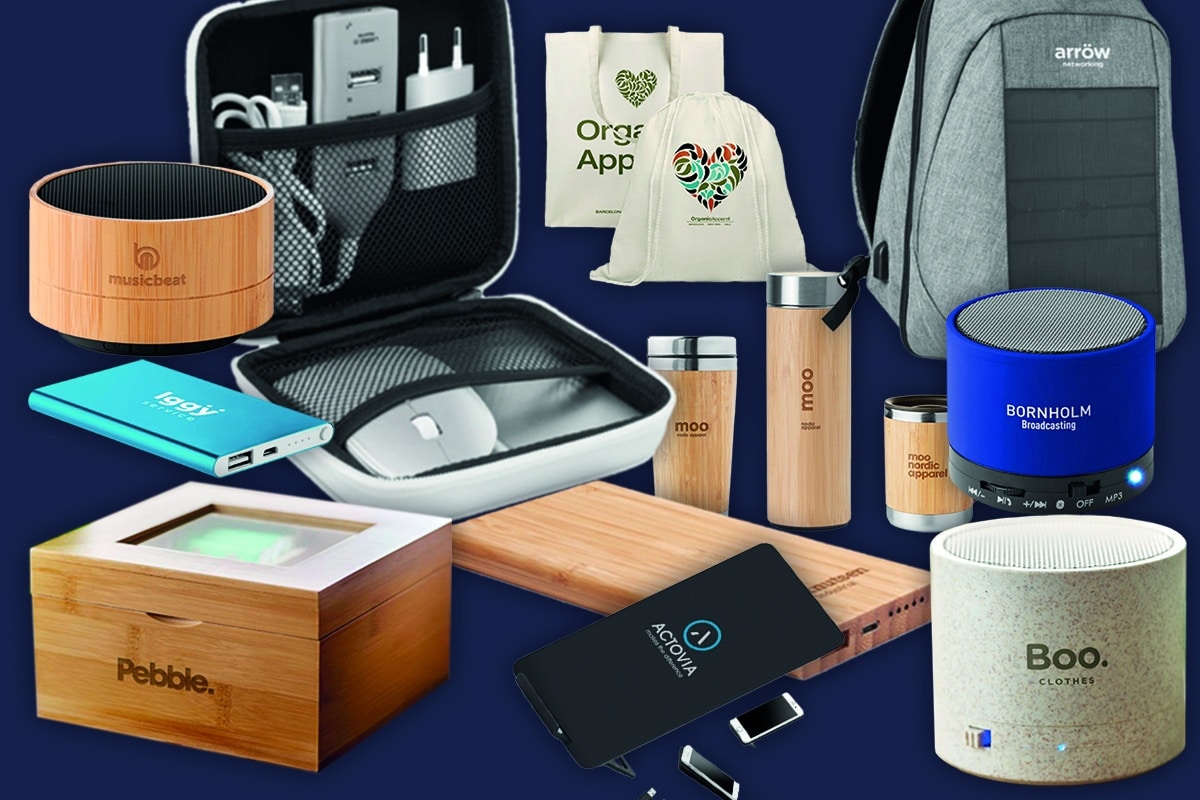
- The Quality Halo: Distributing premium-gifts like technical outer shells or designer bags-backpacks creates a “Positive Reinforcement” loop. It tells the team, “We value your work enough to provide the best tools.”
Color Theory and Brand Sentiment in 2026
The color palette for 2026 is dominated by Transformative Teal—a hue that represents the intersection of technology and ecological awareness. Brands are moving away from aggressive primary colors toward “Grounded Neutrals” that suggest stability. In your paper-print-advertising and apparel design, using these colors can influence customer perception:
- Deep Teals: Suggest innovation and trust.
- Earthy Olives: Signal sustainability and growth.
- Matte Blacks: Convey power and “Quiet Luxury.”
The Multi-Generational Apparel Strategy
A cohesive brand strategy in 2026 must be inclusive. We see a significant trend in the kids category where “Mini-Me” collections are used for family-focused corporate events. Providing a child with a high-quality, soft-touch hoodie that matches the parent’s hoodies-jackets builds a powerful emotional connection with the brand that spans generations.
Even our pets are part of this textile revolution. High-durability pet-merch made from ballistic nylon or recycled pants-shorts scraps allows the brand to live in the “Joy Moments” of a recipient’s life, far beyond the 9-to-5 grind.
Conclusion: Fabric as a Foundation
In 2026, your choice of textile is your brand’s most intimate touchpoint. It is the only marketing medium that physically touches your customer and employee for hours at a time. By prioritizing new-arrivals in smart fabrics, embracing the psychology of uniforms-workwear, and ensuring every item is delivered in premium boxes-and-packaging, you create a brand experience that is felt as much as it is seen.
The future is woven, and it is time for your brand to lead the thread.

 Best Sellers
 New Arrivals
 Tshirts & Polos
 Hoodies & Jackets
 Jerseys & Sportswear
 Uniforms & Workwear
 Bottles & Mugs
 Caps & Hats
 Bags
Bags Office
 Boxes & Packaging
 Travel & Tech
 Corporate Gifting
 Home & Wellness
 Printing Materials
 Eco-friendly
 Promotional Giveaways
 Pants & Shorts
 Pet Merch
 Kids
Kids School Spirit
 Stickers & Labels
 Business Cards
 Tradeshows & Exhibitions
 Food & Candy