
The International Day for the Elimination of Racial Discrimination, observed annually on March 21, commemorates the Sharpeville Massacre of 1960, in which 69 peaceful protesters were killed in South Africa — a moment that became a catalyst for international action against racial segregation and discrimination. The International Convention on the Elimination of All Forms of Racial Discrimination (ICERD) followed six years later, marking one of the most significant advances in global human rights law.
Today, March 21 is a global prompt for organisations to examine not only their public commitments to racial equality, but the lived experience of every person within their walls. In the Middle East — where workforces are among the most nationally and culturally diverse in the world — this examination carries particular weight and opportunity.
"The most diverse workforces in the world are concentrated in the Middle East. That diversity is an extraordinary asset — but only if it is genuinely valued, not merely tolerated."
Cultivating an Inclusive Workplace Environment
Educational Workplaces and Seminars
Organise sessions that explore the history and ongoing impact of racial discrimination — grounding the conversation in facts and lived experience, not abstractions. Invite experts, community leaders, or employees from diverse backgrounds to share perspectives. Education that starts with listening tends to generate more genuine dialogue than education that starts with lecturing.
Open Forums for Dialogue
Create structured, psychologically safe spaces where employees can share experiences and perspectives without fear of professional consequence. Safe does not mean comfortable — meaningful conversations about race rarely are. It means protected: that what is said in good faith will be treated with respect, and that participation will not affect anyone's standing.
Review and Reinforce Policies
Assess company policies — hiring, promotion, performance review, grievance procedures — with a specific lens on whether racial bias could be embedded. Policies reviewed once and filed away are documents, not protections. Genuine review involves people from affected groups, and its outcomes are shared transparently with the workforce.
Create purpose-driven branded merchandise
Custom merchandise that carries a real message. Free design tools. No minimums.
Thoughtful Merchandise to Promote Inclusivity
Merchandise selected with intention can serve as a daily, visible reminder of your organisation's commitment to equality — provided it reflects something the organisation has genuinely acted on. Paired with real structural initiatives, each item becomes an emblem of purpose rather than decoration.
Customised Notebooks
Branded with messages of unity, these notebooks support the workplaces and forums — encouraging reflection, note-taking, and the capture of ideas that emerge from genuine dialogue.
Branded Mugs with Unity Messaging
A mug bearing an equality message is seen in meetings, on video calls, and at the desk every day — a quiet, consistent signal of the values the organisation holds.
Eco-Friendly Tote Bags
A reusable branded tote carrying an anti-discrimination message extends the organisation's stance into the community — visible in the street, in shops, and on public transport.
Branded Apparel with Solidarity Messaging
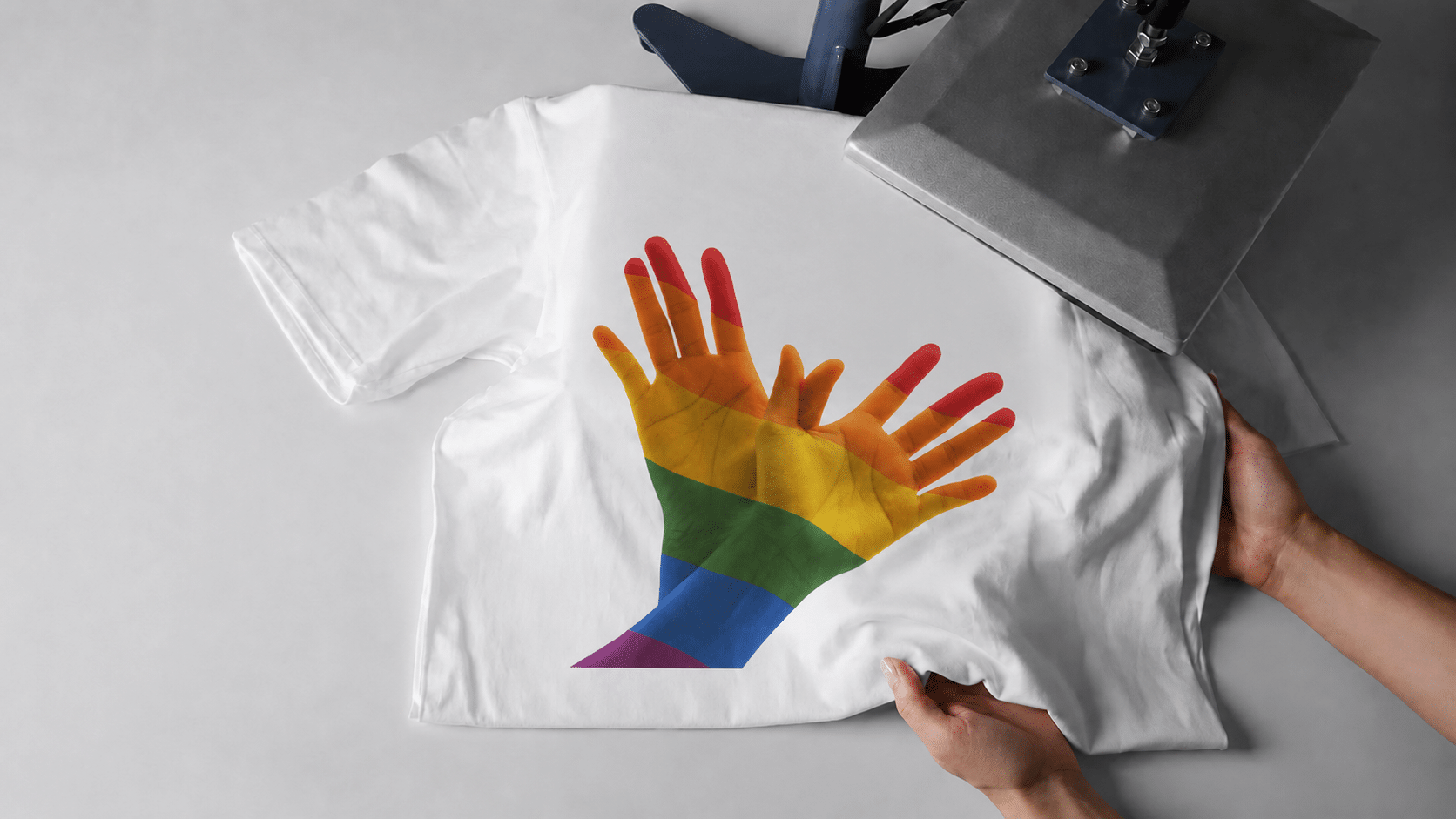
T-shirts or polos bearing unity slogans, worn by the leadership team on March 21, send a clear signal about the organisation's stance — visible, public, and without ambiguity.
Embracing Cultural Sensitivity
In the UAE and wider Middle East, where over 200 nationalities coexist within a single workforce, the question of racial and ethnic inclusion is immediate, practical, and deeply personal for many employees. A few principles for approaching the day with integrity:
- Ground it in shared dignity — Frame initiatives around the universal principle that every person deserves equal dignity and respect — values that resonate across Islamic, Christian, Hindu, and secular worldviews equally.
- Arabic Calligraphy — Incorporate traditional scripts alongside unity messaging on merchandise and communications — adding regional artistry and signalling that this commitment is grounded in local values, not imported wholesale from elsewhere.
- Substance before symbolism — Merchandise and messaging are most powerful when they reflect real action — a policy change, a pay equity review, a grievance mechanism that employees trust. Without that foundation, the gesture lands hollow.
- Amplify affected voices first — Before designing the initiative, consult employees from communities who experience racial discrimination within your own organisation. Their perspective on what would be meaningful — and what would feel tokenistic — is the most important input you can gather.
Final Thoughts
Acknowledging the International Day for the Elimination of Racial Discrimination is a commitment to ensuring that equality is not merely aspirational language in a policy document, but a living standard that every person in your organisation can point to and feel. Through meaningful initiatives, honest structural review, and purposeful branded merchandise, you build toward a workplace where that standard is real.
At Merchlist, we're dedicated to helping you create initiatives and merchandise that align with your company's values and the diverse backgrounds of your team. Browse our full merchandise or book a free meeting to get started.




 Best Sellers
 New Arrivals
 Tshirts & Polos
 Hoodies & Jackets
 Jerseys & Sportswear
 Uniforms & Workwear
 Bottles & Mugs
 Caps & Hats
 Bags
Bags Office
 Boxes & Packaging
 Travel & Tech
 Corporate Gifting
 Home & Wellness
 Printing Materials
 Eco-friendly
 Promotional Giveaways
 Pants & Shorts
 Pet Merch
 Kids & School
 Business Cards
 Food & Candy