
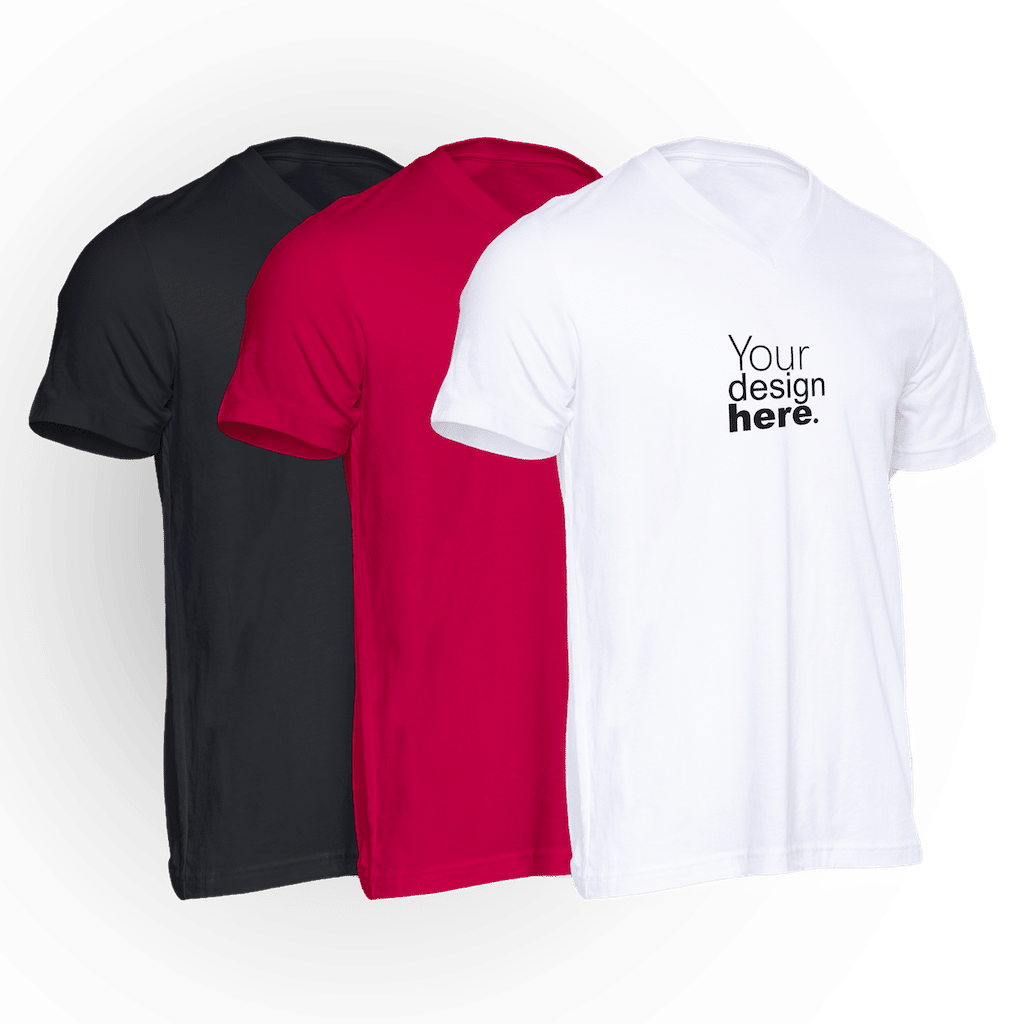
Quick answer: the right printing method depends on the product and the quantity. DTF and digital printing suit small runs and full-colour logos on apparel, screen printing is best for larger runs with few colours, sublimation is used for all-over prints on polyester sportswear and drinkware, and embroidery gives a premium, long-lasting finish on polos, caps and jackets. This guide explains each method, which products it works on, and how to order.
Printing methods compared
| Method | Best for | Quantity | Look and feel |
|---|---|---|---|
| DTF (direct-to-film) | T-shirts, hoodies, tote bags, caps | 1 to a few hundred | Full colour, sharp detail, soft and flexible |
| Screen printing | T-shirts and bags in larger runs | 100+ pieces | Bold, solid colours; cheaper per piece at volume |
| Sublimation | Polyester jerseys and activewear, mugs, mouse pads | Any | All-over print that never cracks or peels |
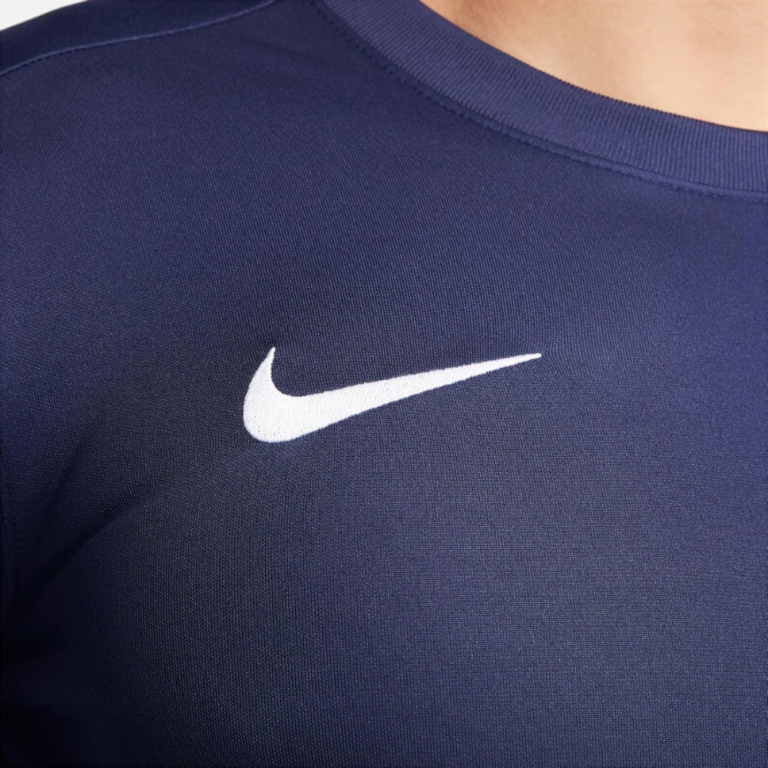
| Embroidery | Polos, caps, jackets, uniforms | Any | Stitched, premium, very durable |
| Heat transfer and vinyl | Names and numbers on jerseys, small logos | 1 to 100 | Clean, crisp text |
| UV printing | Pens, power banks, bottles, hard surfaces | Any | Full colour on plastic, metal and wood |
| Laser engraving | Metal bottles, wooden and metal gifts, awards | Any | Permanent, elegant, single tone |
| Offset and digital paper printing | Business cards, flyers, boxes, packaging | Usually 100+ | Sharp print on card and paper stock |
Which method for which product?
- T-shirts: DTF for small orders and detailed logos, screen printing for large event or team orders.
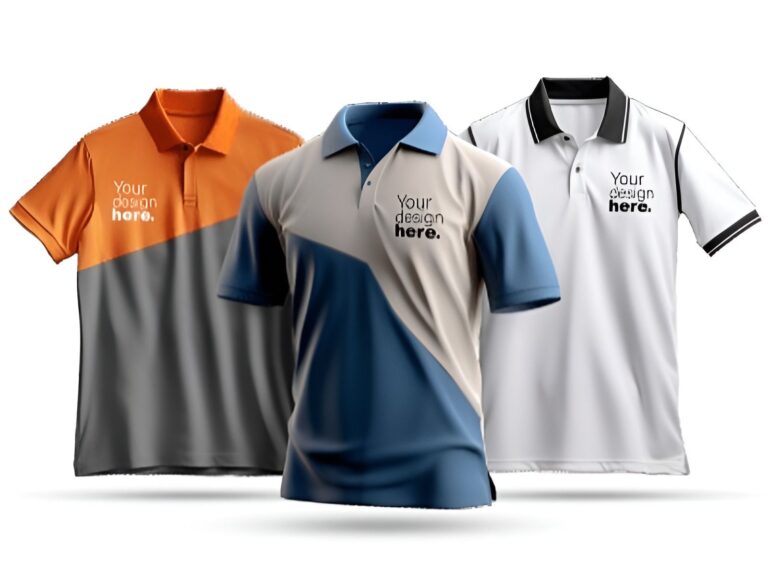
- Polo shirts and uniforms: embroidered chest logo for a professional look; printing for budget giveaways.
- Hoodies and jackets: DTF or screen print for large back designs, embroidery for chest logos and varsity jackets.
- Jerseys and activewear: sublimation for full designs, heat transfer for names and numbers.
- Caps and hats: embroidery is the classic choice; printed patches or DTF for full-colour logos.
- Bags and backpacks: screen printing or DTF on cotton and canvas; embroidery on premium backpacks.
- Mugs, bottles and tumblers: sublimation on ceramic mugs, UV printing or laser engraving on steel bottles.
- Pens, notebooks and tech gadgets: UV printing, pad printing or laser engraving.
- Boxes and packaging: offset or digital printing, with optional foil or embossing.
How to order custom printing
- Pick your product, colour and sizes.
- Add your design in the online designer or upload your logo.
- Approve the proof. Our team checks every file and recommends the best method for your product.
- We produce and deliver, usually within a few working days in the UAE, with delivery across the Middle East and worldwide.
Getting your artwork right
- Send a vector logo (AI, EPS, SVG or PDF) where possible; otherwise a PNG of at least 2,000 pixels wide with a transparent background.
- Use your brand colour codes (Pantone or HEX) so colours match across products.
- Keep fine lines and small text above 1 mm thick for embroidery.
- Check the print area: a chest logo is usually 8–10 cm wide, a full front or back print up to about 30 cm.
Wondering about budgets and timelines? See our custom printing cost guide and turnaround times guide, or send a bulk enquiry for larger orders.
FAQ
What is the best printing method for t-shirts?
DTF for small quantities and full-colour designs; screen printing for larger runs of simple one- or two-colour logos.
Which lasts longer, printing or embroidery?
Embroidery generally lasts the longest and suits work uniforms that are washed often. Good quality DTF, screen and sublimation prints also last for years with normal washing.
Can you print on any product?
Almost. Apparel, bags, drinkware, stationery, tech, packaging and signage can all be branded; the method changes with the material. Ask us if you are not sure.
Do I need a minimum quantity?
Most apparel, caps, bags and drinkware can be ordered from a single piece. Some giveaway items and printed packaging have minimums of 10 to 100 pieces.

 Best Sellers
 New Arrivals
 Tshirts & Polos
 Hoodies & Jackets
 Jerseys & Sportswear
 Uniforms & Workwear
 Bottles & Mugs
 Caps & Hats
 Bags
 Office
 Boxes & Packaging
 Travel & Tech
 Corporate Gifting
 Home & Wellness
 Printing Materials
 Eco-friendly
 Promotional Giveaways
 Pants & Shorts
 Pet Merch
 Kids & School

 Business Cards

 Food & Candy